Snub-nosed dogs and flying: which airlines ban brachycephalic breeds (2026)
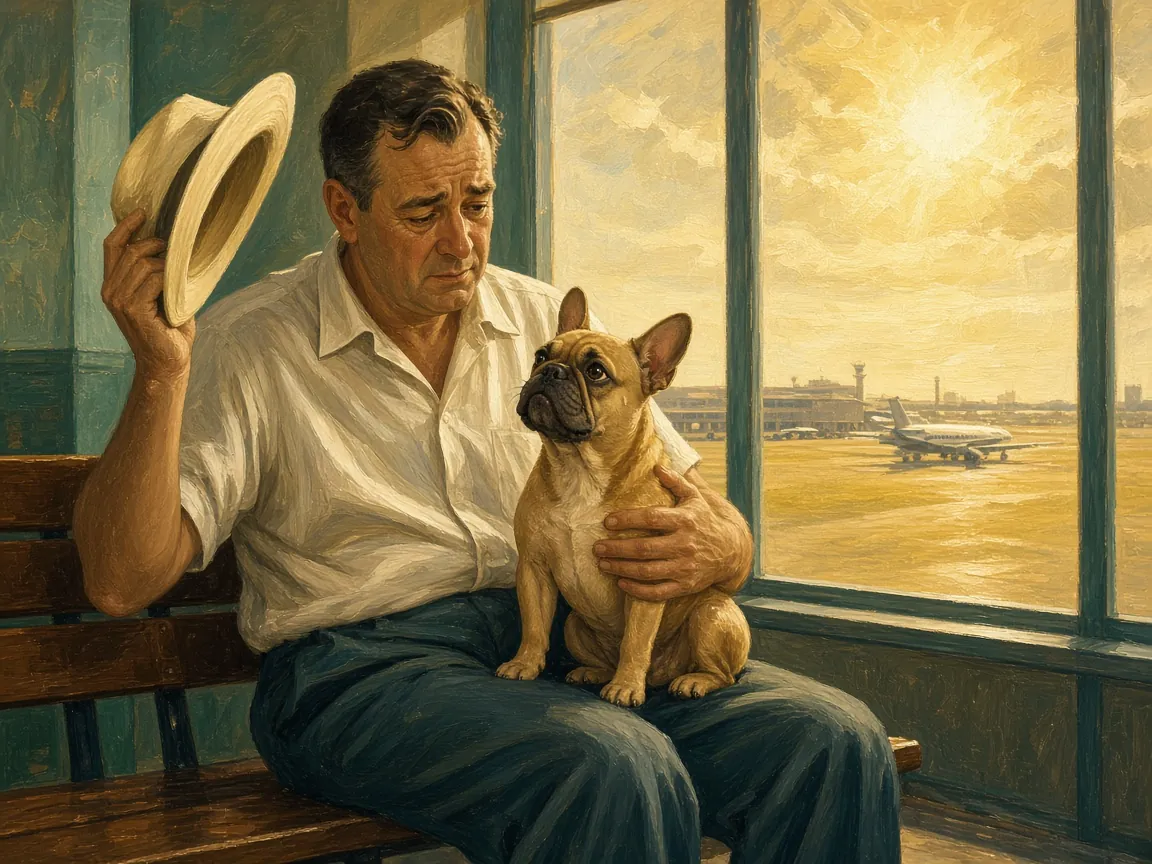
Bulldogs, French Bulldogs, Pugs, Boston Terriers, Boxers, Shih Tzus: short-nosed (brachycephalic) dogs are some of the most popular breeds in North America. They also face the most airline restrictions. This guide sets out what veterinary bodies say about the risk and which airlines restrict these breeds, with each airline's own wording. It then covers how to plan if you have to travel.
Confirm with your airline and your vet. Airline and government rules change often. This guide summarizes official and veterinary sources checked on 24 November 2026. It is not veterinary or legal advice. Before you book, confirm the current rule with your airline and talk to your veterinarian about your dog's health.
Why snub-nosed dogs are at higher risk
The American Veterinary Medical Association says brachycephalic (short-nosed) pets "are more at risk than others of overheating or breathing problems during travel—especially air travel." If such a pet doesn't need to come, the AVMA suggests a sitter or a veterinarian-recommended boarding facility (AVMA).
The Australian Veterinary Association reports that the US Department of Transportation advised that half of all dogs that died during air transport between 2005 and 2010 were brachycephalic. It adds that sedation further increases the risks for these dogs (AVA).
Airlines give similar reasons: - Air Canada says these breeds "are susceptible to increased risks of heat stroke and breathing problems when exposed to extreme heat or stressful situations" (Air Canada). - Aerus cites breathing problems and the inability to regulate body temperature (Aerus). - Viva Aerobus says the risk of respiratory syndrome is why it never carries these breeds in the hold (Viva terms).
Airline-by-airline restrictions
| Airline | Snub-nosed dogs | Source |
|---|---|---|
| American | Not accepted as checked pets, any mix; cabin allowed | aa.com |
| Air Canada | Not allowed in the baggage compartment; cabin allowed if size rules met | aircanada.com |
| Alaska / Hawaiian | Not accepted in the baggage compartment; cabin allowed (independent source – confirm) | BoopTravel |
| Delta | Delta's cargo section says brachycephalic dogs, cats and mixes "are not permitted on Delta or Delta Connection flights." The scope (cargo only or all flights) is unclear, so confirm with Delta | BoopTravel quoting Delta |
| United | No breed limitations stated; United carries pets in the cabin only | united.com |
| Air Transat | Refuses French Bulldogs and American Bulldogs, along with mastiff types, pit-bull types and other listed breeds and mixes. Other snub-nosed breeds are accepted, with a warning about respiratory risk | airtransat.com |
| Canadian North | Snub-nosed breeds need a container 10% larger | canadiannorth.com |
| Volaris | Not recommended; cabin or hold only after you sign a waiver letter (carta de deslinde). Small breeds such as Chihuahua and Yorkshire Terrier also need it | volaris.com |
| Viva Aerobus | Never in the hold; cabin only, under the passenger's full responsibility | Viva terms |
| Mexicana | "Some brachycephalic breeds (such as bulldogs, pugs or Persian cats) cannot travel by plane" | mexicana.gob.mx |
| Aerus | Brachycephalic dogs and cats not carried at all | flyaerus.com |
For most other airlines we track, such as Southwest, JetBlue, WestJet and Porter, we found no breed restriction in the published policy. All of those carry small pets in the cabin (airline directory). That doesn't make flying safe for every dog. Ask your vet.
Mexico's legal requirement
Mexico's civil aviation regulation requires a signed responsibility letter (carta responsiva) for brachycephalic dogs. It also prohibits sedating animals for any reason (RLAC Art. 107, DOF 22 Jun 2020).
Which breeds are on the lists?
There is no single official list. American's list of brachycephalic or snub-nosed dogs it won't accept as checked pets includes the following, and applies to mixes too (American): - Affenpinscher, Boston Terrier, Boxer (all breeds), Brussels Griffon; - Bulldog (all breeds), Cane Corso, Chow Chow, Dogue de Bordeaux; - English Toy Spaniel, Japanese Chin, Lhasa Apso, Mastiff (all breeds); - Pekingese, Pug (all breeds), Shar Pei, Shih Tzu, Tibetan Spaniel.
American's list also includes the American Staffordshire Terrier, Pit Bull, Presa Canario and Staffordshire Bull Terrier.
Volaris, Viva and Aerus publish similar lists in Spanish, and Viva's includes the Bull Terrier and Maltese (Volaris; Viva terms; Aerus). If your dog is a mix with any listed breed, assume the restriction applies and ask the airline in writing.
"Strong" breeds are a separate issue
Some restrictions are about crate strength or destination laws, not breathing. Air Canada requires breeds it classifies as "strong" to travel in a special reinforced container or crate in the hold (Air Canada). Air Transat says certain breeds are refused entry to some countries, so it won't carry them; Bull Mastiffs and Dogues de Bordeaux are exempt (Air Transat). The breeds category lists both kinds of rule for every airline.
Heat, seasons and embargoes
Heat is the main danger for snub-nosed dogs, and airlines restrict travel in hot months, especially in the hold: - American won't accept checked pets above 85°F (29.4°C) anywhere on the itinerary. Pets not travelling in the cabin can't fly to, through or from Phoenix, Tucson, Las Vegas or Palm Springs between May and September (American). - WestJet doesn't accept pets in checked baggage from 15 May to 31 October on routes to and from many hot airports (WestJet). - Air Canada applies seasonal embargoes by destination, such as Mexico from 1 July to 31 August (Air Canada).
The AVMA suggests early-morning or late-evening flights in warm months, and nonstop flights to avoid layovers (AVMA brochure). For a snub-nosed dog in the cabin, the same timing still helps. Your dog spends less time in hot terminals, jet bridges and parked aircraft.
Service dogs are different
On flights to, from or within the US, airlines must not refuse a trained service dog because of its breed or type (eCFR 14 CFR 382.72). Health and safety still matter, so talk to your vet before any long flight. See our DOT service animal forms guide.
If your snub-nosed dog must fly
- Ask your vet whether your dog should fly at all. The AVMA suggests a sitter or boarding facility when the trip isn't necessary (AVMA).
- Choose the cabin. Small snub-nosed dogs can usually fly in an under-seat carrier on airlines that ban them from the hold. Check weight and carrier limits in our carrier size guide.
- Avoid heat. Book early-morning or evening flights in summer. Some airlines also have heat embargoes for the hold; American, for example, won't carry checked pets if the current or forecast temperature is above 85°F (29.4°C) anywhere on the itinerary (American).
- Don't sedate without veterinary advice. Read talk to your vet before a long flight.
- Pick a well-ventilated carrier with room. The AVMA says brachycephalic breeds need a crate one size larger than normal in the cargo hold (AVMA brochure), and Canadian North asks for a container 10% larger for these breeds (Canadian North).
- Get breed rules in writing if your dog is a mix or the airline's wording is unclear, as with Delta.
Use the trip wizard and choose "snub-nosed" to see only the airlines that will take your dog on your route.
Frequently asked questions
- Can a French Bulldog or Pug fly in the cabin?
- On many airlines, yes, if it fits in an approved under-seat carrier. American and Air Canada ban snub-nosed dogs only from the hold. Some airlines go further: Aerus doesn't carry brachycephalic dogs at all, Mexicana says some breeds such as bulldogs and pugs can't fly, and Air Transat refuses French Bulldogs and American Bulldogs.
- Why do airlines restrict snub-nosed dogs?
- The AVMA says brachycephalic (short-nosed) pets are more at risk of overheating or breathing problems during travel, especially air travel. Air Canada cites increased risks of heat stroke and breathing problems in extreme heat or stressful situations.
- Which breeds count as brachycephalic?
- Each airline publishes its own list. American's list includes the Affenpinscher, Boston Terrier, Boxer, all Bulldogs, Brussels Griffon, Cane Corso, Chow Chow, Dogue de Bordeaux, English Toy Spaniel, Japanese Chin, Lhasa Apso, all Mastiffs, Pekingese, all Pugs, Shar Pei, Shih Tzu and Tibetan Spaniel. It also lists American Staffordshire Terrier, Pit Bull, Presa Canario and Staffordshire Bull Terrier. Mixes count too.
- Can I sedate my snub-nosed dog to make the flight easier?
- Talk to your veterinarian first, because sedation is generally discouraged for air travel. The Australian Veterinary Association says sedation further increases the risks for brachycephalic dogs, and Mexico's aviation regulation prohibits sedating animals for any reason.
- Do snub-nosed dogs need a bigger crate?
- Often, yes. The AVMA says brachycephalic breeds need a hold crate one size larger than normal. Canadian North says snub-nosed breeds need a container 10% larger than its standard calculation. Ask your airline and vet what size is right.
Airline pages mentioned
american · aircanada · delta · alaska-hawaiian · transat · volaris · viva · aerus · mexicana · Trip wizard · All guides